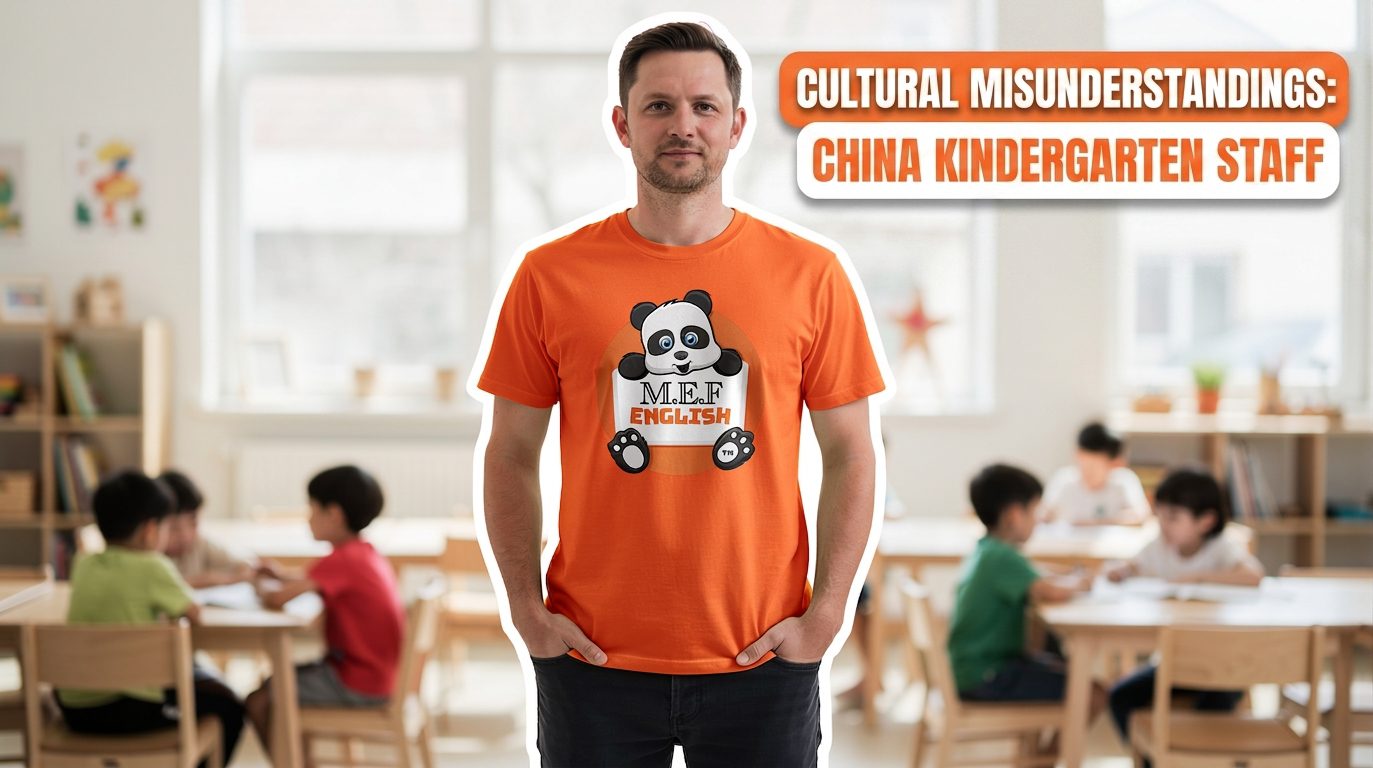
What are best practices for resolving cultural misunderstandings among international and local kindergarten staff in China?
- Uncategorized
- No Comments
Bridging Worlds: Best Practices for Resolving Cultural Misunderstandings Among International and Local Kindergarten Staff in China
In the vibrant, fast-evolving landscape of early childhood education in China, principals, school administrators, and HR directors face a unique and rewarding challenge: building an exceptional English program. The dream is clear – happy, engaged children, fluent in English, taught by passionate, high-quality native speakers. Yet, the path to achieving this vision often comes with significant hurdles. The difficulty of identifying truly qualified and reliable international teachers, the frustrating cycle of high turnover rates, the subtle yet impactful friction of cultural misunderstandings, and the inconsistent quality of instruction can undermine even the most well-intentioned efforts.
At MEF World, we understand these challenges intimately. For over two decades, starting from our roots in Japan and expanding across Asia, we have dedicated ourselves exclusively to empowering kindergartens like yours. We are not just a recruitment agency; we are your strategic partner, a proven solution provider for establishing and sustaining premium English language programs. We eliminate the guesswork and mitigate the risks, ensuring that your school receives not just a teacher, but a fully prepared, culturally aware educator ready to inspire joy and learning. This commitment extends beyond placement, encompassing comprehensive support designed to navigate and resolve one of the most common, yet often overlooked, obstacles: cultural misunderstandings between your international and local staff.
A harmonious working environment is the bedrock of effective education. When international and local teams collaborate seamlessly, the benefits reverberate throughout the entire school community – enriching the learning experience for students, fostering professional growth for staff, and enhancing your institution’s reputation. This comprehensive guide will delve into best practices for resolving cultural misunderstandings, showcasing how a proactive approach, supported by a trusted partner like MEF World, can transform potential friction into a powerful synergy.
Understanding the Tapestry of Cultural Dynamics in Early Childhood Education
Before we can resolve cultural misunderstandings, we must first understand their origins. Culture is a complex, often invisible, framework that shapes our perceptions, communication styles, work ethics, and pedagogical approaches. In a kindergarten setting, where collaboration and shared understanding are paramount, these differences can manifest in various ways, from subtle misinterpretations to significant conflicts. Recognizing these nuances is the first step toward effective resolution.
Common Areas of Cultural Divergence in the Kindergarten Setting:
- Communication Styles: Western cultures often prioritize direct communication, while many Asian cultures value indirectness, harmony, and saving face. An international teacher might interpret a lack of direct feedback as disinterest, while a local colleague might perceive direct criticism as rude or aggressive.
- Work Ethic and Expectations: Differing views on punctuality, overtime, holiday usage, and the division of labor can create friction. For instance, Western teachers may expect a clear job description and boundaries, while local staff might prioritize collective effort and flexibility beyond defined roles.
- Pedagogical Philosophies: Our Canadian, American, British, and Irish teachers are trained in Western methodologies, emphasizing student-centered learning, inquiry-based approaches, critical thinking, and full English immersion without translation. This might contrast with more traditional, teacher-directed, or rote-learning approaches some local staff might be accustomed to, leading to misunderstandings about classroom management, discipline, and lesson delivery.
- Parental Engagement: Expectations around communication with parents, handling of feedback, and parental involvement in school activities can vary widely.
- Hierarchical Structures: Western workplaces often have flatter hierarchies with more open debate, whereas traditional Chinese structures might emphasize respect for authority and decision-making flowing from the top down.
- Problem-Solving Approaches: International staff might favor immediate, direct confrontation of issues, while local staff might prefer to address problems indirectly, through mediation, or by allowing time for issues to resolve naturally.
These divergences are not inherently negative; they simply exist. The challenge, and the opportunity, lies in proactively managing them to foster a rich, inclusive, and effective learning environment.
Proactive Strategies for Cultivating a Harmonious Cross-Cultural Environment
The most effective way to resolve cultural misunderstandings is to prevent them from escalating. By implementing proactive strategies, your school can build a foundation of mutual respect and understanding.
1. Comprehensive Cross-Cultural Onboarding and Orientation
The moment an international teacher arrives is critical. MEF World ensures our teachers are prepared for life and work in China, but your school’s local onboarding process is equally vital. This should not be a mere formality but a deep dive into your school’s culture and the broader Chinese context.
- For International Teachers: Provide clear expectations regarding communication, professional conduct, classroom management (within the school’s framework), and an introduction to local customs and social etiquette. Explain the school’s specific pedagogical approach and how it integrates with their Western training. MEF World’s rigorous vetting and Junior TEFL training, which focuses on Western methodology (full English immersion with no Chinese translation), ensures our teachers arrive with a strong foundation, making your specific orientation more effective.
- For Local Staff: Educate local teams on the cultural backgrounds and communication styles of their international colleagues. Help them understand the pedagogical philosophies of Western education and how these approaches benefit students. This mutual understanding fosters empathy and reduces the likelihood of misinterpretation.
2. Establishing Clear Communication Channels and Protocols
Ambiguity is the breeding ground for misunderstanding. Clear, transparent communication is paramount.
- Regular Check-ins: Implement weekly or bi-weekly meetings specifically for international and local teaching teams to discuss successes, challenges, and upcoming plans. Encourage open dialogue in a safe space.
- Designated Communication Liaisons: Appoint a bilingual staff member or team leader who can serve as a bridge, translating not just words, but cultural nuances. This is a role MEF World actively supports through our ongoing cultural assistance.
- Preferred Communication Methods: Establish agreed-upon methods for routine communication (e.g., WeChat groups for quick updates, email for formal announcements, face-to-face for sensitive discussions).
- Feedback Loops: Create structured, regular opportunities for both international and local staff to provide and receive feedback, ensuring it is delivered constructively and respectfully. Training in non-violent communication can be highly beneficial.
3. Defining and Aligning Shared Values and Goals
Despite cultural differences, all staff share a common purpose: the well-being and education of the children. Emphasizing this shared goal can unite teams.
- Mission-Driven Approach: Regularly revisit your school’s mission, vision, and core values. Discuss how each team member, regardless of background, contributes to these overarching objectives.
- Collaborative Goal Setting: Involve both international and local staff in setting departmental goals. When everyone has a voice in shaping objectives, ownership and commitment increase.
- Joint Professional Development: Organize workshops or training sessions that bring both teams together to learn new teaching strategies, classroom management techniques, or child development theories. This shared learning experience builds camaraderie and a common professional language. Our teachers arrive with professional Junior TEFL training, ready to engage students, and we provide ongoing training resources, which can be adapted for joint sessions.
4. Fostering Cultural Exchange and Social Integration
Beyond the classroom, encouraging informal interaction can significantly break down barriers and build personal connections.
- Cultural Exchange Events: Organize potlucks where staff share food from their home cultures, celebrate traditional holidays (both Chinese and Western), or engage in language exchange sessions.
- Team-Building Activities: Plan social outings, sports events, or group activities that encourage interaction in a relaxed, non-work setting.
- Buddy System: Pair new international teachers with experienced local colleagues who can offer informal guidance, friendship, and help them navigate daily life in China.
5. Leadership by Example: Promoting Inclusivity and Empathy
The attitude of school leadership is paramount. Principals, administrators, and HR directors must visibly champion diversity and inclusion.
- Model Inclusive Behavior: Demonstrate respect for all cultures, actively listen to diverse perspectives, and mediate conflicts fairly and impartially.
- Advocate for Staff Well-being: Show genuine care for both local and international staff, recognizing their unique needs and challenges.
- Regular Check-ins with Leadership: Establish a system where international teachers feel comfortable approaching leadership with concerns, knowing they will be heard and supported. This is particularly crucial for foreign staff adapting to a new environment.
Reactive Strategies: Addressing Misunderstandings When They Arise
Despite the best proactive measures, misunderstandings are inevitable in any diverse workplace. The key is to address them swiftly, respectfully, and effectively before they fester.
1. Early Intervention and Open Dialogue
Do not let minor issues become major problems. Encourage staff to raise concerns early.
- Safe Spaces for Discussion: Create an environment where staff feel safe to voice concerns without fear of reprisal. This might involve a designated “open-door policy” or regular, anonymous feedback mechanisms.
- Active Listening: When a misunderstanding is reported, listen to all parties involved without judgment. Focus on understanding their perspectives, feelings, and the underlying issues, rather than immediately assigning blame.
2. Structured Conflict Resolution Processes
Having a clear, step-by-step process for resolving disputes ensures fairness and consistency.
- Mediation: In many cases, a neutral third party can help facilitate communication and guide parties toward a mutually acceptable solution. This could be a senior administrator, an HR professional, or, where appropriate, MEF World’s dedicated support team. Our ongoing cultural support is designed to assist both teachers and schools in navigating such situations.
- Focus on Solutions, Not Blame: Shift the conversation from “who is wrong” to “how can we move forward?” Encourage brainstorming solutions that benefit everyone and the school’s mission.
- Document Resolutions: Briefly document the nature of the misunderstanding, the steps taken to resolve it, and any agreed-upon actions to prevent recurrence.
3. Empathy and Perspective-Taking
Encourage all staff to step into another’s shoes and consider the situation from a different cultural lens.
- Scenario Discussions: Use hypothetical scenarios during staff meetings or training to practice how different cultural perspectives might interpret situations.
- “Culture-Grams”: Encourage staff to research and share insights about their own cultural norms, and those of their colleagues, to build a deeper appreciation of diversity.
4. Leveraging External Support: The MEF World Advantage
This is where partnering with MEF World provides an unparalleled advantage. We don’t just place teachers; we cultivate successful, long-term partnerships.
- Pre-Vetted, Culturally Prepared Teachers: Our strict recruitment process ensures that we only select university graduates from Canada, the USA, the UK, and Ireland who not only possess bachelor’s degrees and clear criminal records but also demonstrate maturity, adaptability, and a genuine interest in living and working in China. They undergo professional Junior TEFL training, equipping them with the pedagogical tools and cultural sensitivity needed for a smooth transition. This significantly reduces the likelihood of major cultural clashes.
- Ongoing Cultural Support: MEF World provides continuous cultural support and resources to both our teachers and our partner schools. If a misunderstanding arises, we are a trusted resource. Our team can offer advice, mediate conversations, or provide additional training to bridge gaps. We act as an informed, neutral party, dedicated to achieving a win-win-win outcome for the school, the students, and the teacher. This proactive and reactive support is a cornerstone of our 20+ years of experience in ensuring high retention rates.
- Learn more about MEF World and our comprehensive approach to teacher placement and support.
The Profound Impact of a Harmonious International Team
Investing in resolving cultural misunderstandings is not just about avoiding conflict; it’s about unlocking immense potential. A kindergarten where international and local staff collaborate effectively enjoys numerous benefits:
- Enhanced Student Outcomes: Children are exposed to diverse teaching styles and perspectives, fostering global awareness, critical thinking, and a love for English. Our teachers, trained in full English immersion, create high-energy, engaging classes that result in truly smiling, happy children.
- Improved School Reputation: A reputation for a harmonious, inclusive, and professionally managed international program attracts more students and highly qualified staff, setting your kindergarten apart as a leader in early childhood education.
- Professional Growth for All Staff: Both local and international teachers learn from each other, expanding their pedagogical toolkit and cultural competencies. This leads to a more dynamic and innovative teaching staff.
- Higher Teacher Retention: When teachers feel supported, understood, and part of a cohesive team, they are more likely to stay, reducing the costly and disruptive cycle of turnover. MEF World’s dedication to ongoing support directly contributes to these high retention rates.
- A Richer Learning Environment: The blending of Western teaching methodologies with local cultural understanding creates a truly unique and enriching educational experience that prepares children for a global future.
Why Partner with MEF World: Your Ultimate Solution
For over 20 years, MEF World has refined a specialized approach to addressing the very challenges Chinese kindergartens face in their English programs. Our expertise is unparalleled, our commitment unwavering, and our results speak for themselves.
- Exclusive Focus, Deep Expertise: We specialize exclusively in Kindergarten English programs and teacher placement. This singular focus means we deeply understand your needs, the unique demands of early childhood education, and the specific dynamics of the Chinese market. Our two decades of experience across Asia ensures we know precisely what it takes to succeed.
- Premium, Vetted Western Educators: We recruit only the best. Our teachers are university graduates from Canada, the USA, the UK, and Ireland. They possess bachelor’s degrees, clear criminal records, and undergo a rigorous vetting process to ensure they are not just native speakers, but also responsible, dedicated, and culturally adaptable professionals. We never compromise on quality.
- Proven Western Methodology & Training: Our teachers are equipped with professional Junior TEFL training, specifically designed for young learners. They are proficient in Western methodology, focusing on full English immersion with no Chinese translation in class. This ensures high-energy, engaging lessons that truly make English fun and effective for children, leading to tangible results.
- Unmatched Ongoing Support: Unlike other agencies that merely place teachers, MEF World views itself as a long-term partner. We provide extensive ongoing cultural support, training, and resources to both our teachers and your school. This proactive support system is critical for resolving cultural misunderstandings, fostering positive working relationships, and ensuring high teacher retention rates. We aim for a win-win-win scenario for your school, your students, and our teachers.
- Your Stress-Free Solution: We solve your biggest pain points: the difficulty of finding good teachers, high turnover, cultural misunderstandings, and inconsistent instruction quality. With MEF World, you gain a reliable, stress-free pathway to a thriving English program, allowing you to focus on overall school management and educational excellence.
A successful international English program in your kindergarten is not merely about hiring a native speaker; it’s about building a cohesive, culturally intelligent team. By implementing the best practices for resolving cultural misunderstandings and partnering with an experienced, dedicated expert like MEF World, your school can transform potential challenges into unparalleled opportunities for growth, harmony, and educational distinction.
Imagine a kindergarten where international and local staff work seamlessly, where cultural understanding enriches every lesson, and where children flourish in a truly global learning environment. This vision is not just achievable; it is the standard we help our partners attain.
Take the Next Step Towards a Harmonious and Exceptional English Program
Are you ready to elevate your kindergarten’s English program with high-quality, reliable international teachers and unparalleled support in navigating cultural dynamics? MEF World is here to empower your school with a solution that is proven, professional, and entirely stress-free.
To understand how MEF World can specifically tailor our services to meet your school’s unique needs, we invite you to answer a few quick questions. This will allow us to present you with the most relevant program packages and transparent pricing options. Begin your journey toward a more effective and harmonious international team today: Answer a few questions to see our pricing and options.
Join the growing number of successful kindergartens across Asia that trust MEF World to deliver excellence. Secure your high-quality, culturally prepared English teachers from Canada, the USA, the UK, or Ireland, and let us help you build an English program that truly makes learning fun and effective, while fostering a truly inclusive environment for all your staff. Don’t let cultural misunderstandings deter your vision; let MEF World be your guide and partner. Apply Now to Hire a Teacher and begin transforming your kindergarten’s English department.